George and Eleanor Woodyard
Mask Collection
on permanent display in our lobby
George and Eleanor Woodyard began collecting masks in 1985.
George’s career as Professor of Spanish with a focus on Latin American Theatre at the University of Kansas, and his research and study of the same, sent him and Eleanor traveling around the world. In almost every place the Woodyards visited, from Latvia Laos, across Europe and throughout Latin America, the Woodyards made locating a mask native to the area a priority.
The masks adorned the walls of George’s study in their Lawrence home for almost thirty years. As the mask collection grew, word of the project spread, and friends began adding masks as gifts to the Woodyard collection. Today, Theatre Lawrence proudly displays these masks as a tribute to the universal role theatre plays in communities around the world.
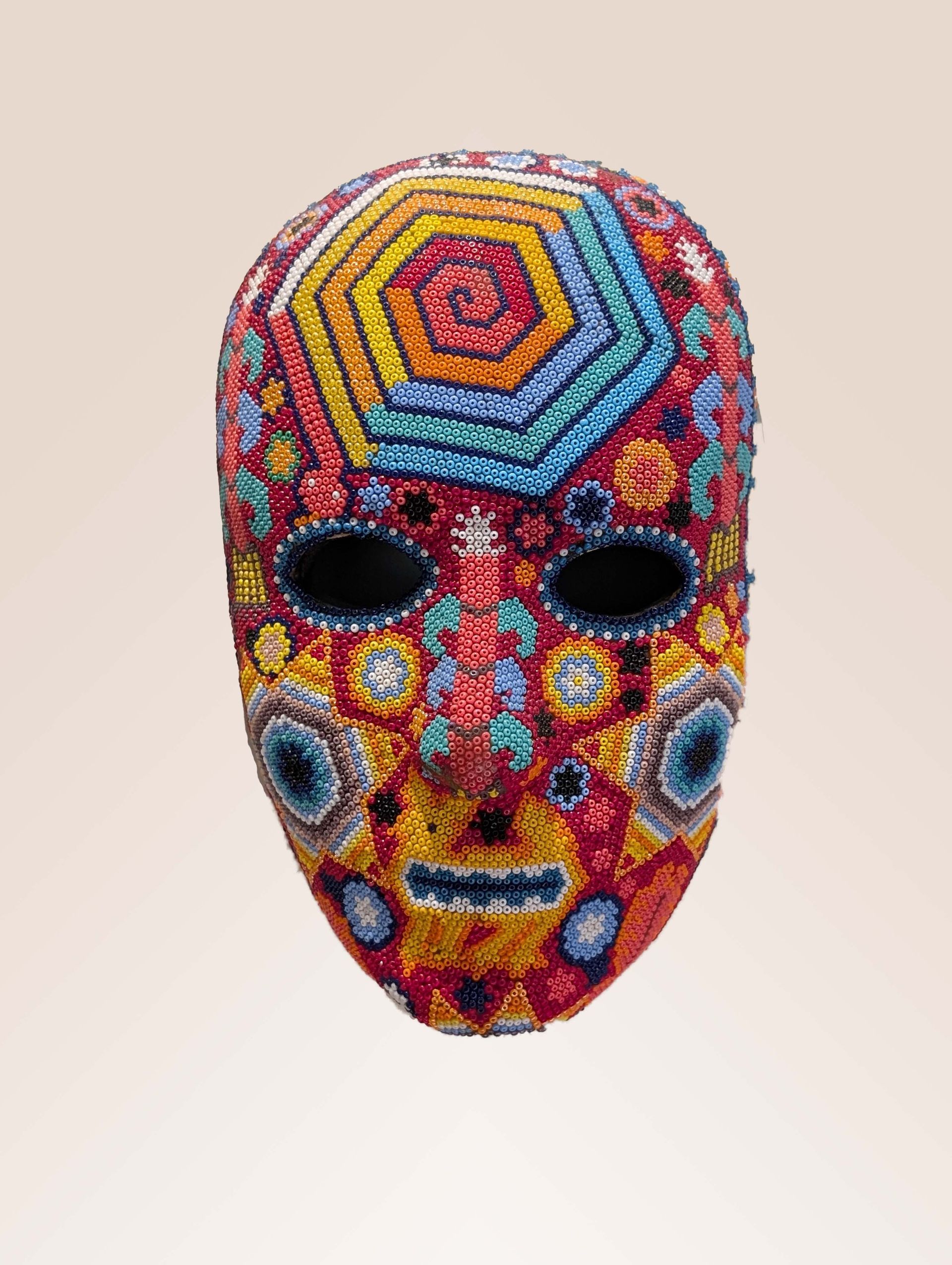
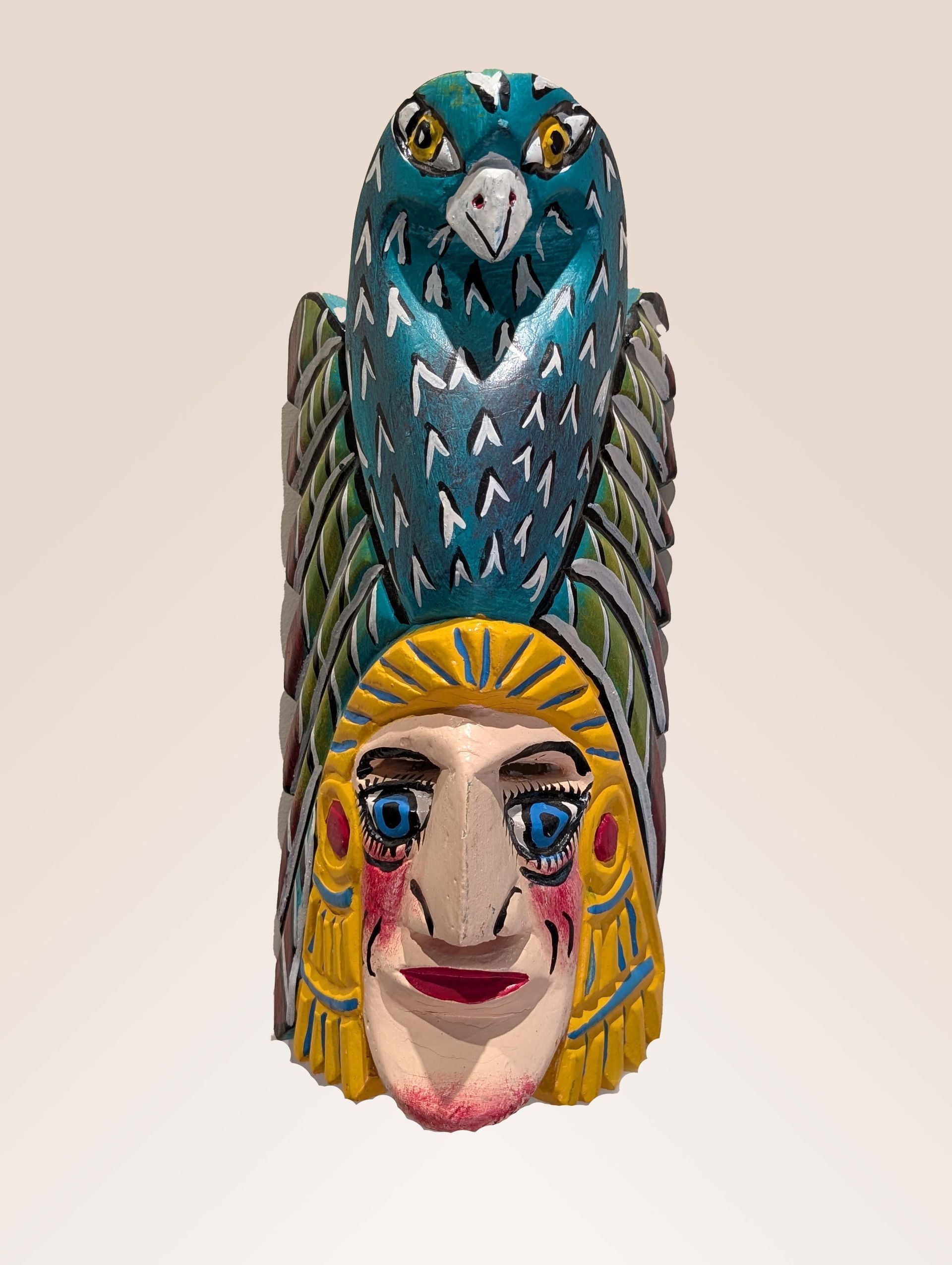
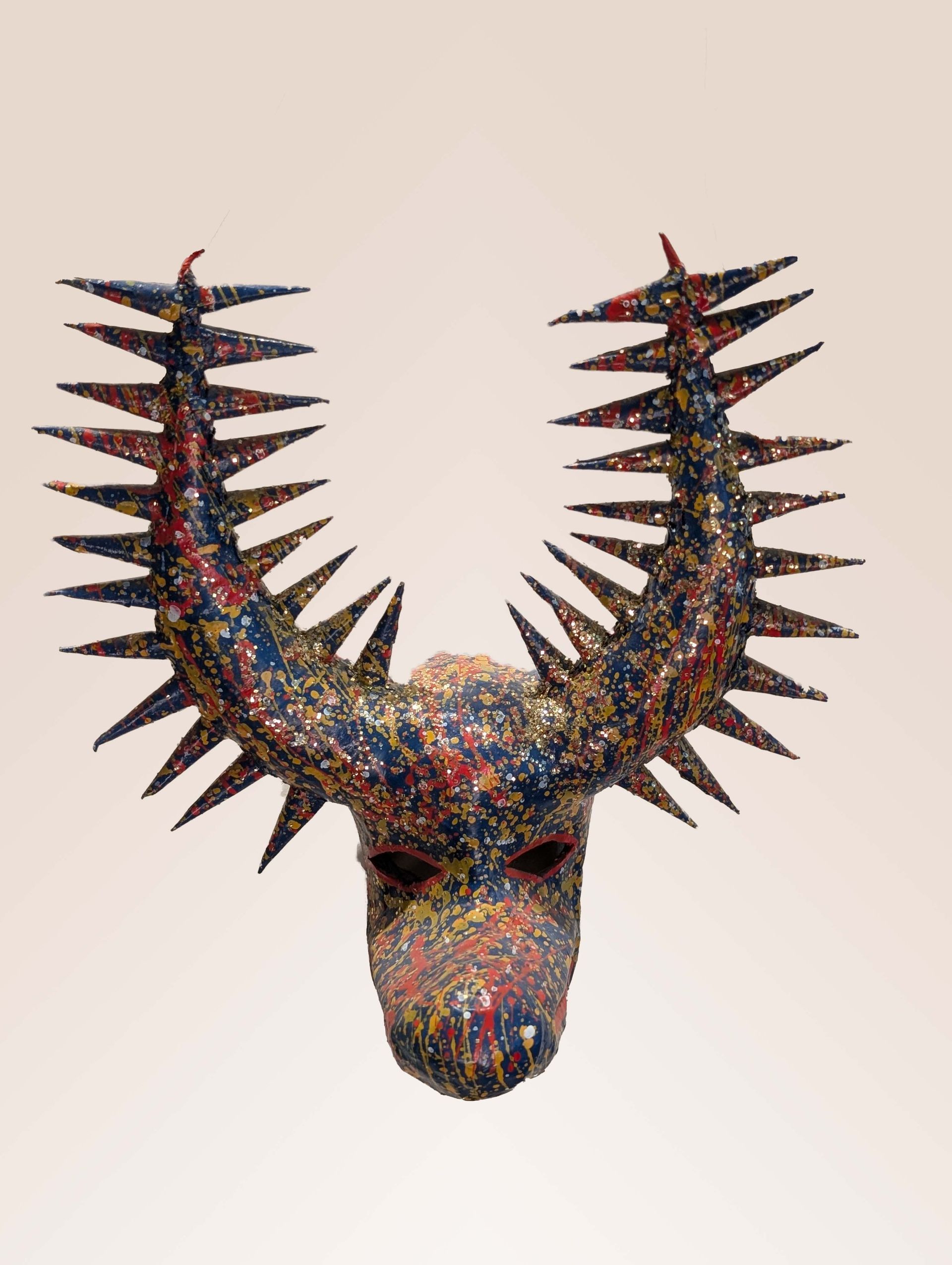
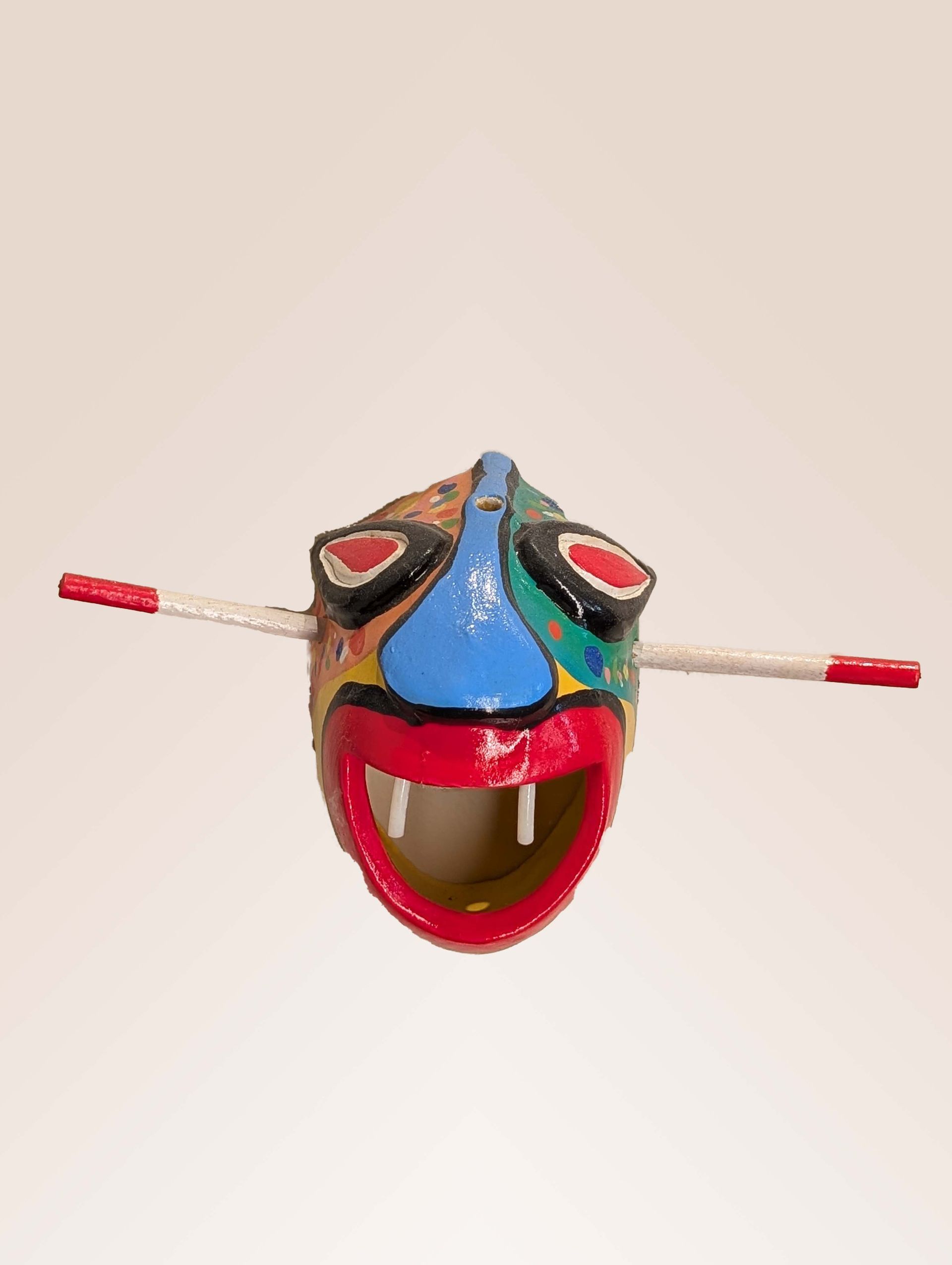
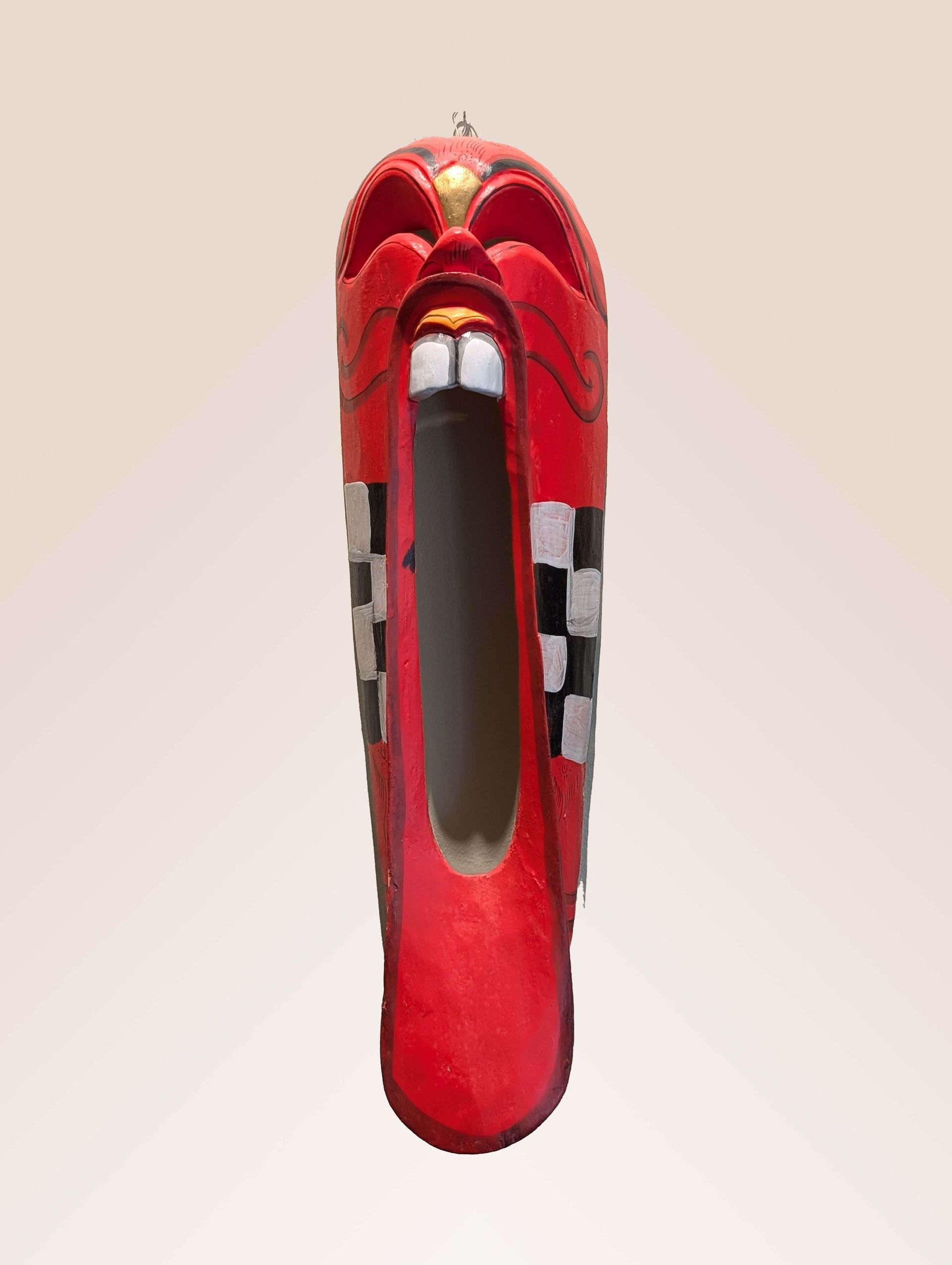
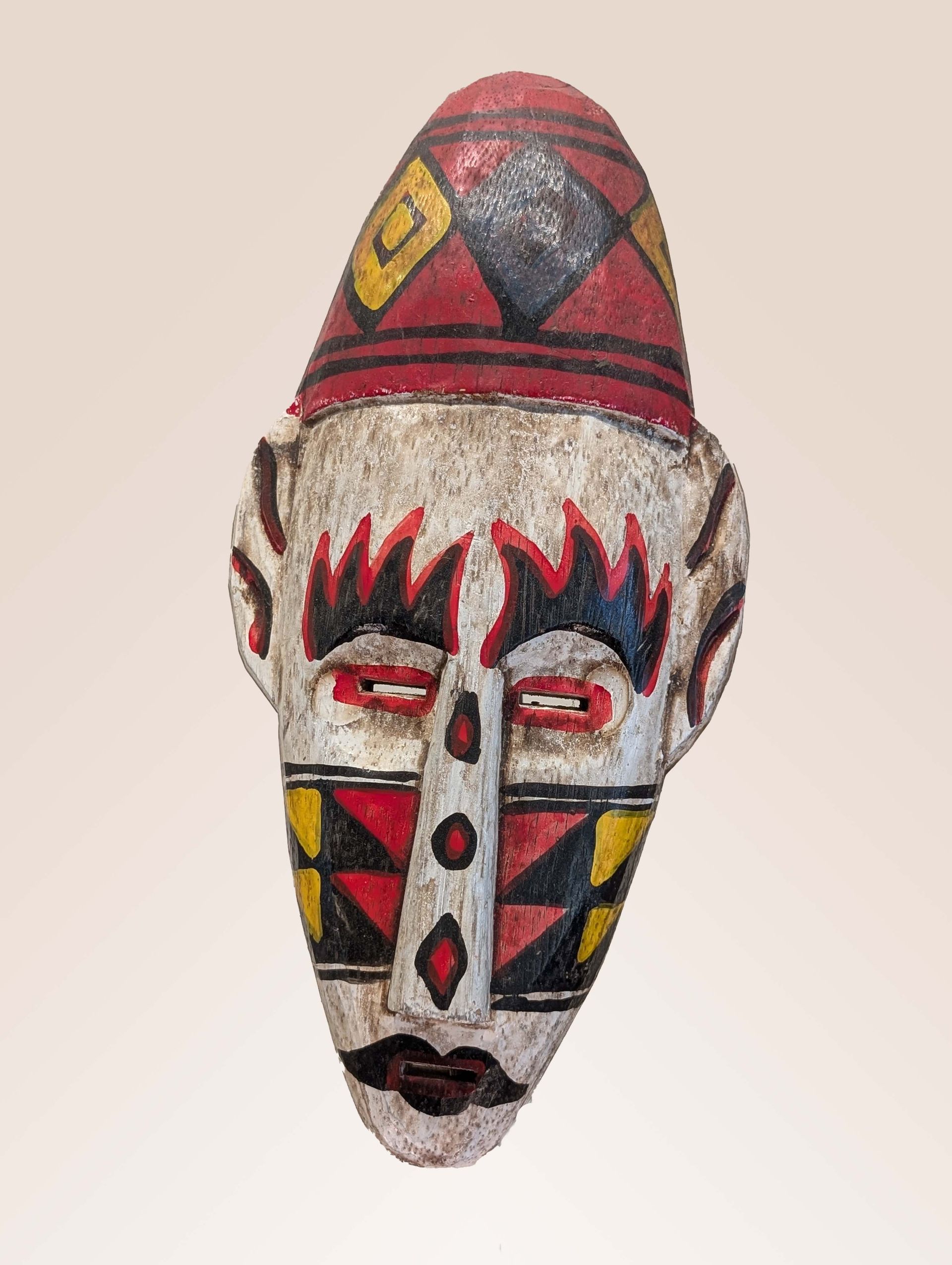
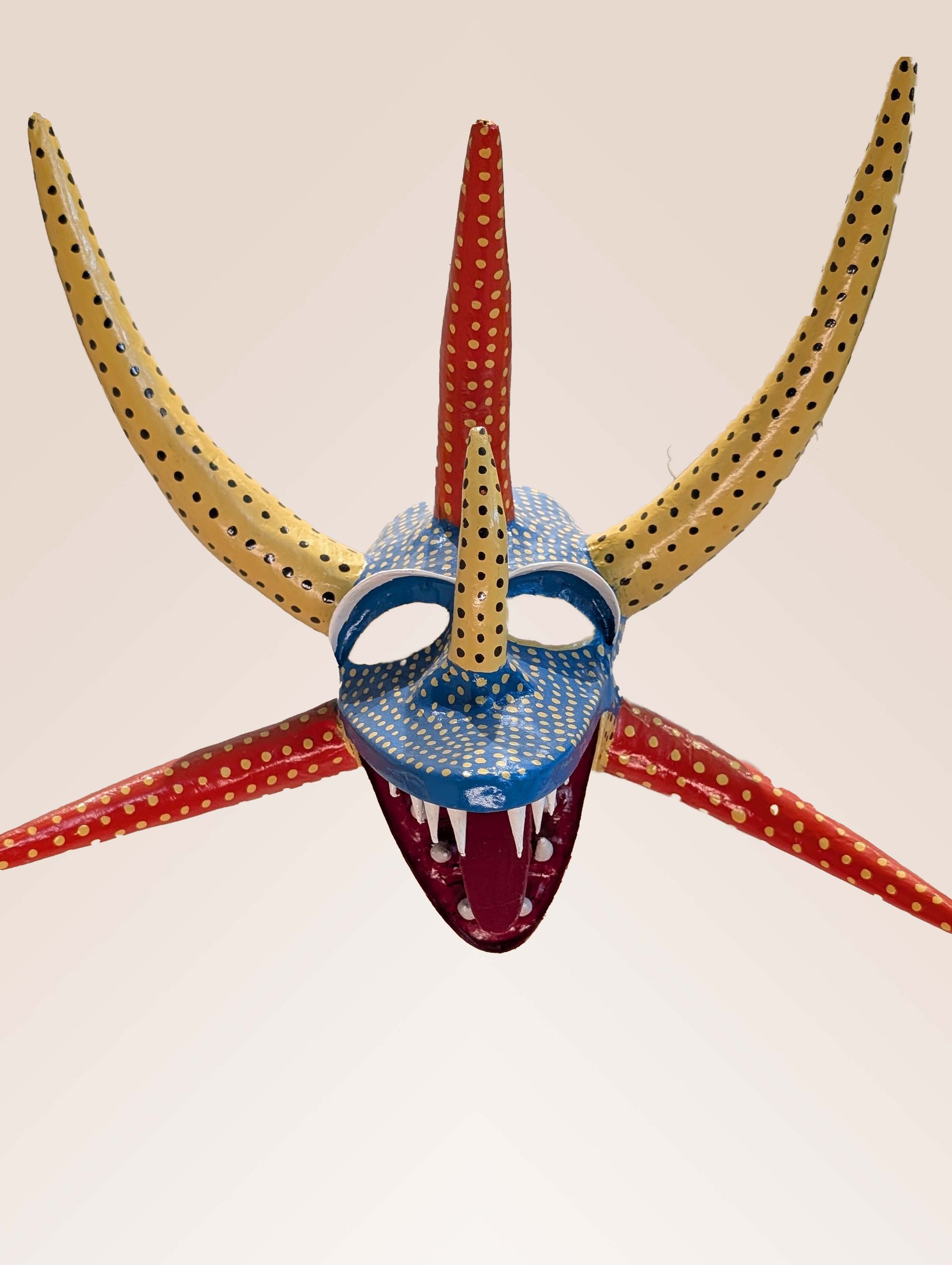
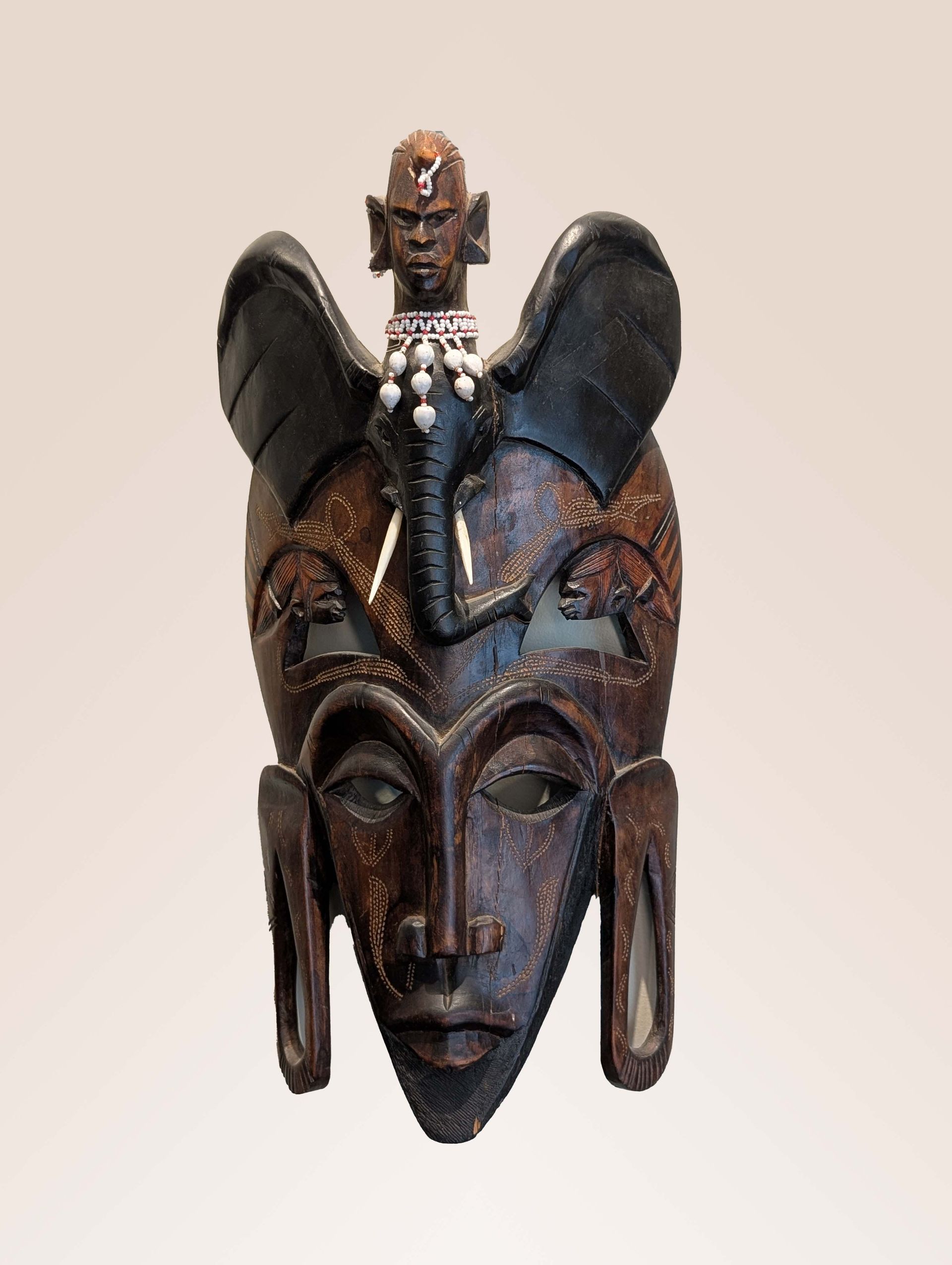
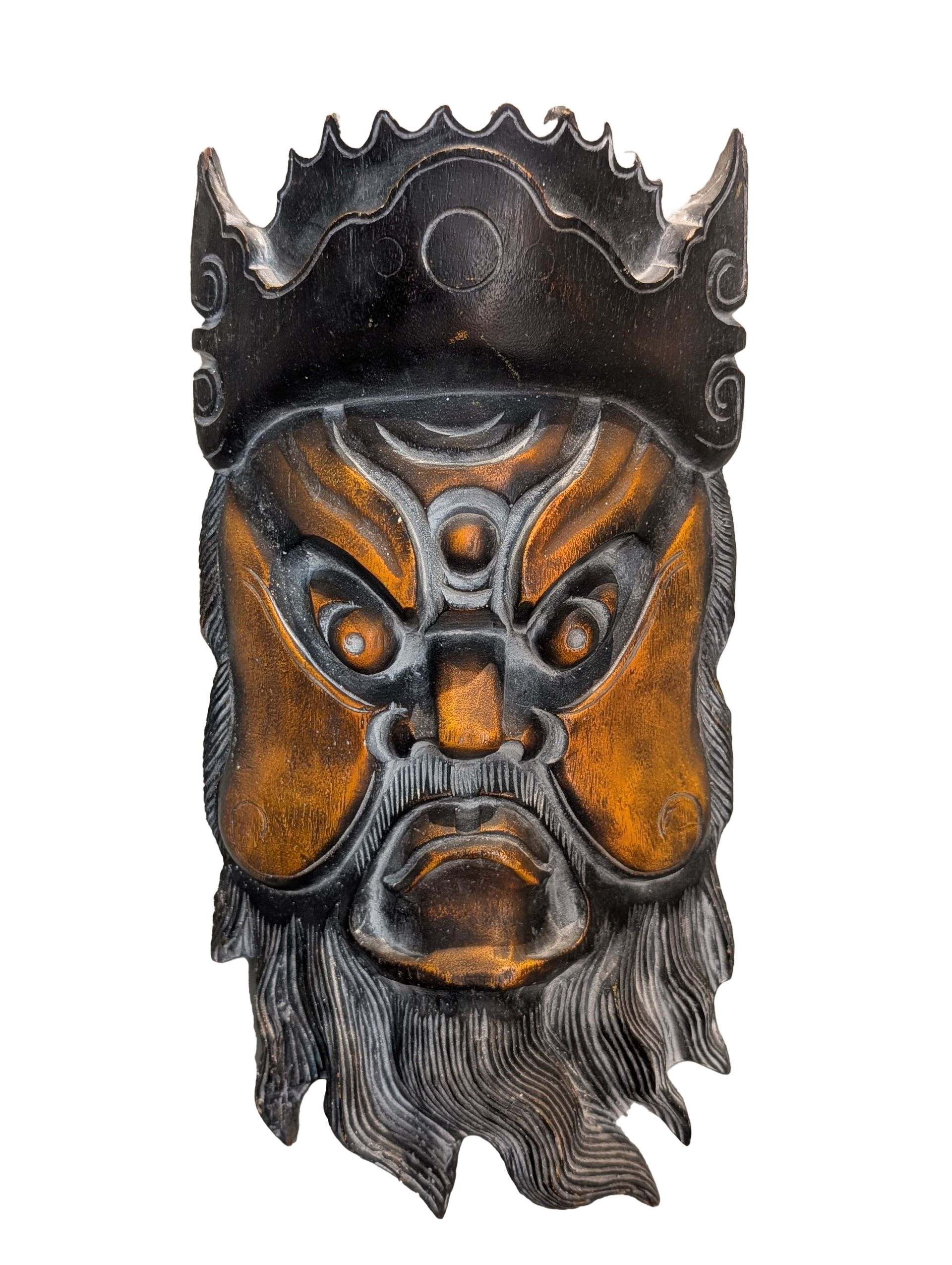
Some of the collection
History behind the collection
Professor George Woodyard was an internationally known pioneer in the recognition and scholarly study of Latin American theatre. His interest in Spanish began when, as a small child, and older sister taught him words and phrases. Then, as he began to study for a M.A in Spanish at the age of 19, he saw his first professional theatre performance. After that, he took in theatre whenever he could, and during his two years in the Army 1957-59, he was assigned to Puerto Rico, where he was introduced to Latin American theatre.
Since two of his passions were Spanish language and literature, and theatre, it seems natural that masks, associated with theatre for over two thousand years, would appeal to him. It seems equally natural that his splendid mask collection would begin on one of his many trips to Latin America. George and Eleanor purchased the first mask in the collection, a shiny blue and gold horned mask during a trip to the Dominican Republic in 1985. Eleanor explains, “It was so easy for him to buy me gifts on our trips, but hard for me to find things for him. The masks were a perfect solution.”
After that, every time they traveled, a mask was added to the collection. The Woodyards traveled extensively, so the collection includes masks from every continent as well as many islands. The 165 specimens in the display were found in cities from 71 different countries. Many are made of wood, some of dried gourds, some of clay, metal and at least one from hundreds of tiny beads. Most were purchased from street vendors, many from performances.
Motifs among the masks are diverse. Some are clearly happy; others are frightening. Some seem to represent demons; others were meant to ward off evil spirits. There are animal masks- big cats and elephants. There is a two-faced mask, and a carefully painted mask with miniature figures depicting an entire Mexican wedding. Some represent theatre festivals in Latin America, where masks were sometimes worn, just as in classical Greek theatre over 2500 years ago. Some of the masks were meant to serve a religious function, or to ensure the fertility of crops, or to preserve a cultural link with the past. Many particularly in Latin America, were worn during the annual pre-Lenten carnival season. Often, they simply express the exuberance of the artist who created them.
Eleanor tells the story of one evening, when George was working late in his study, three walls of which were filled with masks. It was perfectly quiet, with no wind, nothing stirring in the house. Suddenly he heard a distinct tap, tap, tap. It stopped; then a moment later is repeated. By careful listening, he was able to determine that it had come from one of the wooden masks purchased in Africa- the one whose mouth forms a distinct “o “. George took down the mask, listened to it and heard the “tap” again, and correctly guessed that a worm was at work. After two short sessions in the microwave, the mask was returned to its place, where it has remained silent ever since.
George and Eleanor carefully recorded the provenance of each mask as they acquired it. An identifying label beneath each mask in the display reflects its place of origin.
This story was written by Dean Bevan and appeared in "A New Beginning" a special publication celebrating the opening of our new facility in 2013.